

The Timeless Legacy of Turquoise

From Biblical Gem to Modern Treasure
Turquoise, with its captivating sky-blue to greenish hues, has been treasured across civilizations for thousands of years. Its name derives from the French pierre turquoise (“Turkish stone”), reflecting its historic trade routes through the Ottoman Empire from Persian mines. Yet its story stretches back even further—to the deserts of the ancient Near East and, remarkably, into the pages of the Bible. This article explores turquoise’s biblical significance, ancient uses and symbolism, geological origins, and its vibrant presence in modern mining, including a notable dig at Nevada’s Otteson mine.

Turquoise in the Bible: The High Priest’s Breastplate
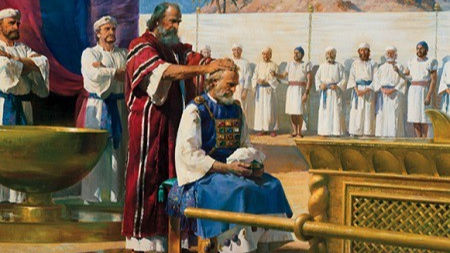
One of the most sacred references to turquoise appears in the Book of Exodus, where God instructs Moses on the construction of the Choshen—the High Priest’s Breastplate (also called the Breastplate of Judgment). Worn by Aaron, the first High Priest, over the ephod, this ornate garment featured twelve gemstones arranged in four rows of three, each engraved with the name of one of the twelve tribes of Israel (Exodus 28:15–21, 39:8–14). These stones served as a memorial before God and a tool for divine communication and judgment.
In many translations and scholarly interpretations, the second row includes turquoise (Hebrew nofekh or shevo). The term nofekh likely derives from the ancient Egyptian word mfkꜣt (or mefkat), explicitly referring to turquoise—a greenish-blue gem highly prized in Egypt. Some sources link it to the tribe of Naphtali, whose name evokes “connection,” mirroring turquoise’s historical association with riders and horses or the bond between heaven and earth.

The breastplate, set in gold filigree, symbolized unity, divine guidance, and the High Priest’s role as intermediary between God and the people. Its stones were not merely decorative; they represented the tribes collectively carried “upon his heart” during Temple service. While exact identifications vary across ancient translations (some render the stone as malachite or another green mineral), turquoise’s Egyptian mining ties and color make it a compelling match in modern scholarship.
Ancient History, Mining, and Cultural Uses
In Ezekiel 28:13, the prophet uses the imagery of Eden, the garden of God, to
describe the creation of the King of Tyre. Turquoise is listed among the precious
stones that adorned this figure "on the day [he] was created". This places turquoise among the original, precious creations of God.
Turquoise’s recorded history begins around 3000 BCE in ancient Egypt, where it was mined in the Sinai Peninsula at sites like Serabit el-Khadim and Wadi Maghara (Gebel Maghara). These were among the world’s oldest turquoise mines, often operated under royal expeditions. Egyptians associated the stone with the goddess Hathor, patroness of miners and called “Lady of Turquoise.” It adorned elite jewelry, inlays, scarabs, and even King Tutankhamun’s iconic burial mask. A favored color palette combined turquoise with carnelian (red) and lapis lazuli (deep blue), symbolizing fertility, vegetation, and the heavens.

Persia (modern Iran) produced some of the finest turquoise, known as “Persian turquoise,” prized for its intense blue and lack of matrix. The stone was called piruzeh (“victory” or “turquoise”) and used in architecture, mosaics, and royal adornments. Trade spread it westward, giving rise to its European name. Pre-Columbian Native American cultures in the southwestern United States mined and revered it as the “sky stone,” crafting intricate jewelry and sacred objects. Aztecs valued it highly, and it remains central to Navajo, Zuni, and Pueblo traditions.
Symbolism and Meaning
Across cultures, turquoise embodies protection, healing, and good fortune. Its blue-green color evokes the sky and water—symbols of life, purity, and the divine. Ancient lore held that it could warn of danger by changing color, protect riders from falls, and promote friendship, loyalty, and constancy. In Native American beliefs, it connects the physical and spiritual worlds, bringing prosperity and warding off evil. Victorians saw it as a token of enduring love. Even today, it is associated with December birthstone traditions and spiritual balance.
The Science of Turquoise: Composition, Formation, and Modern Mining
Chemically, turquoise is a hydrated copper aluminum phosphate with the formula:

It is opaque to semi-translucent, ranging from vivid robin’s-egg blue (copper-dominated) to greenish tones (influenced by iron). Unlike many gems, it forms as a secondary (supergene) mineral rather than in primary crystals. In arid or semi-arid regions, acidic rainwater or snowmelt percolates through copper-rich porphyry deposits, dissolving copper sulfides. This groundwater then reacts with aluminum- and phosphorus-bearing minerals in surrounding host rocks—often iron-rich limonite or sandstone—precipitating turquoise in veins, nodules, or fracture fillings. The result is its characteristic porous structure and beautiful matrix patterns (brown or tan “spiderweb” from iron oxides).
Today, turquoise is mined in Iran (still producing premium material), China, Australia, and the southwestern United States—especially Arizona, New Mexico, Colorado, and Nevada. American turquoise often features distinctive matrix and is highly sought after by collectors and jewelers.
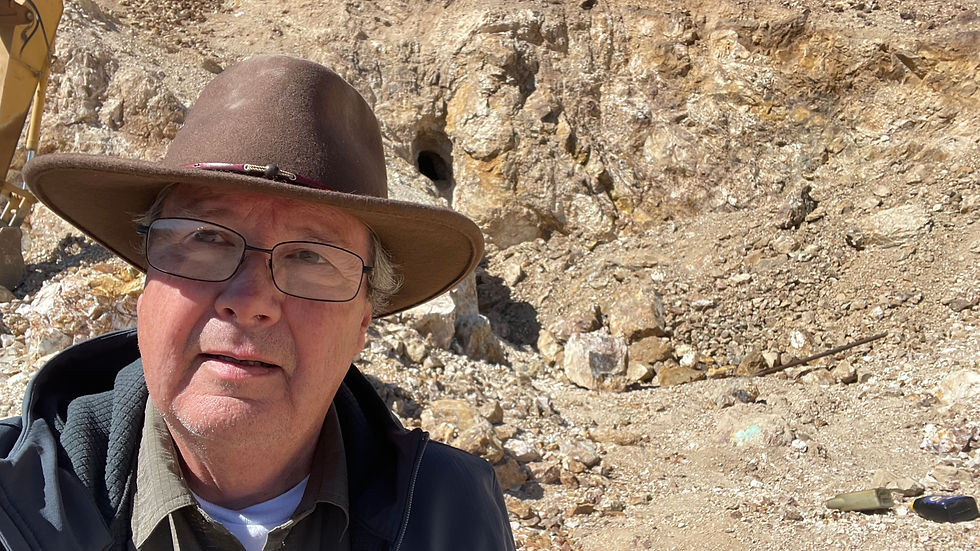
A standout example is the Otteson Brothers Turquoise operation near Tonopah, Nevada. The family has mined high-quality turquoise from claims including the Royston (or Montezuma Royston) mine for generations, producing vibrant blue and green material prized for its natural beauty. They offer guided rockhounding tours, giving enthusiasts a rare chance to dig in the tailings and active areas. In May 2022, We visited the Otteson mine and dug turquoise alongside the Otteson family. He uncovered many beautiful specimens, experiencing the excitement of unearthing this ancient gem directly from the Nevada desert.

Conclusion
From the sacred breastplate of the Israelite High Priest to the sun-baked mines of Nevada, turquoise bridges ancient faith, cultural heritage, and geological wonder. Its formation in arid copper deposits mirrors its symbolic role: a rare beauty born from harsh conditions, offering protection, connection, and enduring appeal. Whether set in biblical gold, Egyptian inlays, Native American silver, or modern jewelry, turquoise continues to remind us of the sky above, the earth below, and the timeless human desire for beauty and meaning. As Dr. Bob’s 2022 dig at the Otteson mine illustrates, the thrill of discovering turquoise remains as alive today as it was millennia ago.

Comments